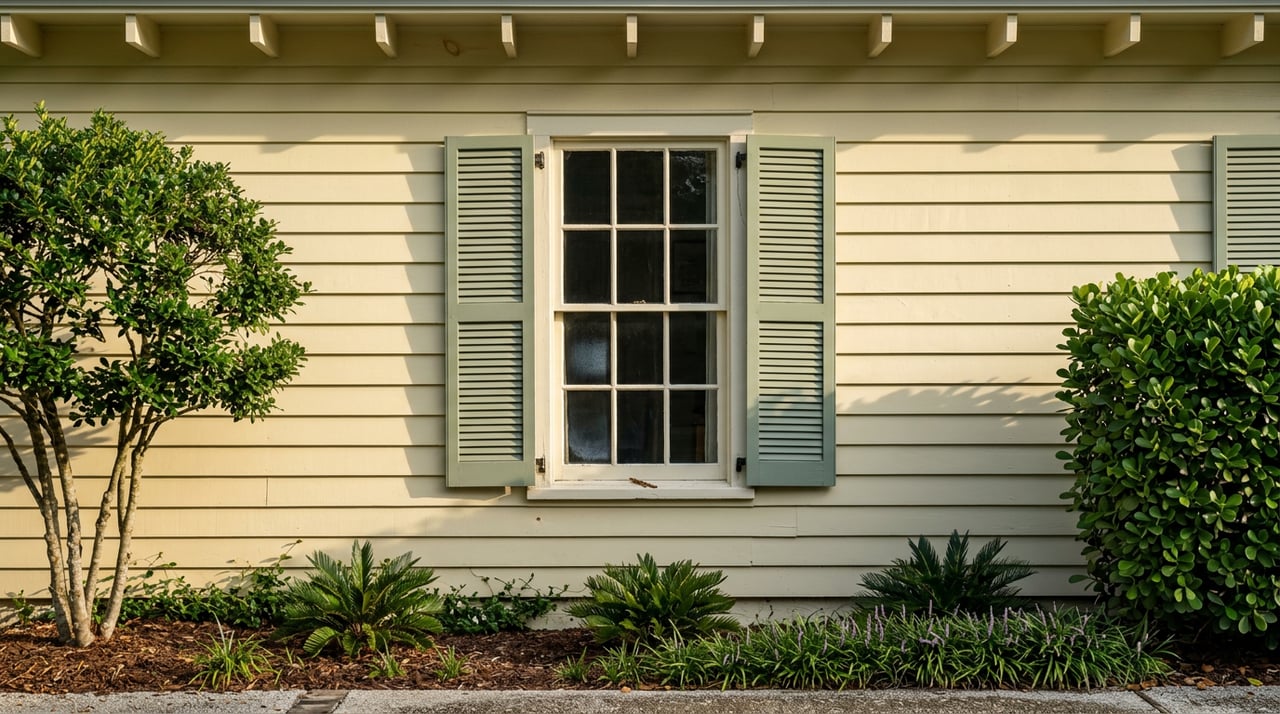
Selling a Historic Cottage in Lake Worth Beach? Plan for COA Timing
July 23, 2026
July 23, 2026
The offer will hinge on a roof, or a set of windows, or a repaint you already scheduled with your contractor. In most Florida cities, that is a permit conversation. In Lake Worth Beach, if your address sits inside a designated historic district, it is a two-step conversation, and the first step is not with the building department.
That first step is a Certificate of Appropriateness from the Historic Resources Preservation Board. It is the piece of paper that decides whether the roof material, the window profile, or the shutter color your contractor quoted can actually be installed on your house. And because it must be issued before a building permit can be pulled, it is not a formality you fix in underwriting. It is a calendar item, and in a 2026 market where the typical Lake Worth Beach home is taking around 70 days to sell and closing about 4 to 5 percent under list, the calendar is the leverage.
Lake Worth Beach has a large stock of pre-war cottages. Roughly 1,000 cottages remain in the city, constituting the largest concentration of this type of dwelling in Florida. The city government recognizes six local historic districts: College Park, Northeast Lucerne, Old Lucerne, Old Town, Southeast Lucerne, and South Palm Park. Three of those are also on the National Register.
If your parcel is inside one of those boundaries, the next question is whether the structure itself is contributing or non-contributing. That distinction changes what review your project gets. In Old Lucerne alone, a total of 346 structures are located in the district, with 218 classified as contributing and 128 classified as non-contributing. A contributing 1920s frame vernacular gets the full design review; a 1970s infill built after the period of significance still needs a COA for exterior work, but the standard applied is different.
Before you list, pull the district map from the city and confirm your status in writing. A buyer's agent will do this in the first week of due diligence, and the answer will shape every repair credit they ask for.
The mechanism is narrow and specific. A Certificate of Appropriateness is required for all exterior alterations to structures in the City's historic districts and individually designated landmarks. It documents that the proposed work meets the Historic Preservation Ordinance and the Historic Preservation Design Guidelines. The COA is required before exterior work begins and before a building permit can be issued.
Read the last sentence twice. It is the schedule problem in one line.
The board also requires face time before you commit money. Pre-application meetings are required for projects involving new construction, demolitions, or changes of use, and strongly encouraged for major additions. The city's own guidance is to book that meeting before finalizing architectural designs or purchasing construction materials like windows and doors. Sellers who order impact windows in April to get an insurance credit by June listing routinely discover the profile they bought does not match the guidelines for their district.
There is a widespread belief in South Florida contracting circles that recent state law loosened permit requirements for minor exterior work. That is partly true, and it is exactly the belief that gets Lake Worth Beach sellers in trouble.
Recent changes to Florida law (HB 803) mean that some projects may no longer require a building permit. However, many of these projects must still comply with the City's Land Development Regulations and with the City's Historic Preservation Ordinance for properties in a designated Historic District. To ensure compliance, the City has established a standalone Zoning Permit process for certain site improvements.
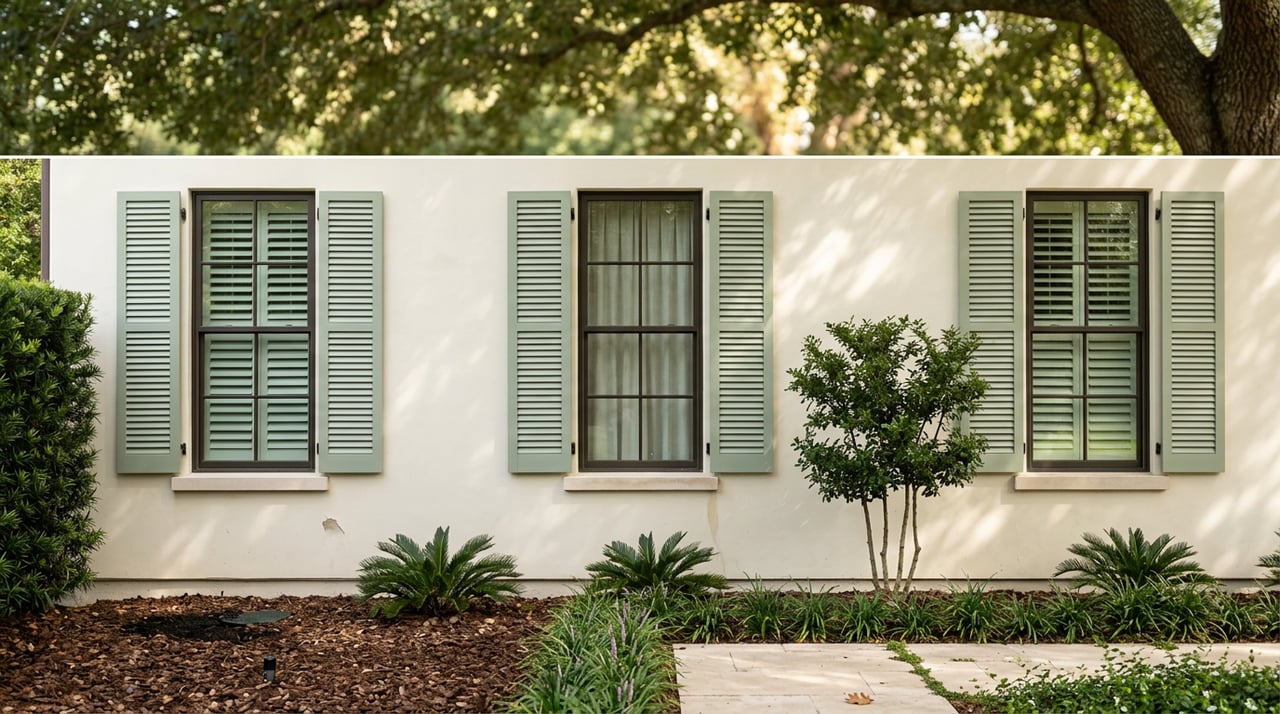
Translated for a seller: the fact that your handyman does not need a building permit to swap a set of shutters does not mean he can swap them. If the property is contributing and the shutter style is wrong for the guidelines, you have created a code case, not a repair. When a buyer's inspector or their attorney flags it during due diligence, the seller ends up paying to redo the work and delay closing.
This is the part of the transaction that catches out-of-state sellers who have not lived in Florida through a hard insurance cycle. Buyers in 2026 are showing up to Lake Worth Beach cottages with three documents in hand: a wind-mitigation form, a four-point form, and a flood disclosure. Almost every credit they will negotiate is tied to one of them.
Two of the most common asks push straight into COA territory.
There is also the harder case. An owner can, in some circumstances, argue that period-appropriate materials are financially impossible. That is not a shortcut. It is a formal filing, treated as its own agenda item, as in the HRPB consideration of a Certificate of Appropriateness for roof replacement and an Unreasonable Economic Hardship application at 415 North Ocean Breeze, a contributing resource to the Old Lucerne National Historic District. Building a hardship case takes documentation and time your closing date does not have.
The Historic Resources Preservation Board meets monthly. Staff needs the packet in advance of the meeting for the agenda. A well-documented COA for a straightforward roof-in-kind can move quickly. A project with waivers, like a pool in a front yard or a setback variance, is a longer conversation. The city's public agendas show items like a Certificate of Appropriateness for two historic waivers for a swimming pool in the front yard and minimum required front setback for a contributing resource in the Old Lucerne Historic District being heard as their own noticed matters.
Layer that onto the current market. Redfin's read of Lake Worth Beach in March 2026 showed homes selling in around 70 days at a median of about $365,000, roughly 95 percent of list, according to that report. Realtor.com's March 2026 snapshot put median days on market closer to 65 with sales averaging around 4.29 percent below asking. Zillow's index, which pulls from a wider footprint, showed a home value near $437,000 with a median 46 days to pending as of late April 2026. The spread across sources is itself a signal: your block, your era of cottage, and your district are the three things that decide which of those numbers applies to your list price.
A serious pricing strategy in this market runs on two clocks at once. The sale clock, roughly 60 to 90 days from list to close. And the COA clock, which for anything past a like-for-like repair is at least one board cycle and often two. If you list before the board hears your roof COA, a buyer will use the uncertainty as a discount. If you list after the COA is issued but before work is complete, you can hand the buyer an approved scope and a contractor bid, and negotiate on that.
[email protected] for the pre-application meeting before pricing contractor bids.Does the COA transfer to the buyer at closing? The approval attaches to the property and the specific scope of work described in the application, not to the owner. If the buyer changes the scope, they file again.
Can I do interior renovations without HRPB review? Interior work that does not affect the exterior generally does not require a COA. It still requires the ordinary building permits.
What if my house is on a designated block but is non-contributing? Exterior work still goes through COA review, but the standard is different. The board is looking at compatibility with the district rather than restoration of a specific historic fabric.
Is downtown revitalization changing what buyers will pay for a historic cottage? The market context is real. The Gulfstream Hotel is scheduled to reopen in 2026 after being closed for two decades, per Palm Beach Illustrated's late-2025 coverage, and downtown foot traffic around Lake and Lucerne is heavier than it has been in years. Buyers are paying attention to walkability from the historic districts to that corridor. They are also more informed about the COA, which means the paperwork condition of your sale matters more, not less.
Selling a cottage inside one of Lake Worth Beach's historic districts is not harder than selling anywhere else in Palm Beach County. It is sequenced differently. If you would like a clear read on where your specific address sits, what a buyer is likely to ask for, and how to line the COA up against your listing date, Omar Santamaria is glad to walk through it with you. Let's Connect.
Stay up to date on the latest real estate trends.
Every move has a story. Whether you're relocating across the state, looking for more space, simplifying life, pursuing a new opportunity, or navigating an unexpected transition, the best moves aren't just about real estate. They're about creating a life that better reflects who you are today and where you want to go next. You don't have to figure it out alone. Let's create a plan built around your goals, your lifestyle, and the chapter you're ready to write next.